Quick answer
An affiliate marketing manager runs a merchant’s partner program: recruits and evaluates publishers, agrees on terms, helps partners launch, checks referral and commission data, resolves disputes and reports results. To enter the role, learn tracking and payout rules, build a small evidence-based portfolio and apply for partnership or affiliate-operations work. This is a commercial and analytical job, not a shortcut to earning affiliate commissions yourself.
The most misleading career advice in this field starts with a story about someone earning a commission in five minutes. That person is a publisher. The employee responsible for the program has a different job: making sure the right partner received credit, the order qualified, the customer claim was accurate and finance can approve the payout.
If you like partner relationships but dislike reconciling messy data, this role may frustrate you. If you like numbers but want to avoid commercial negotiation, the same is true. The work sits between marketing, sales, product, legal and finance.
What does an affiliate marketing manager actually do?
| Responsibility | Practical decision | Evidence to keep |
|---|---|---|
| Recruitment | Which publishers or creators reach buyers the offer serves? | Channel, audience, content examples and reason for approval. |
| Terms | What action earns commission, at what rate and under which exclusions? | Agreement version, dates, exceptions and accepted terms. |
| Activation | Can the partner make a compliant placement with a working link? | Offer sheet, first placement and referral-path test. |
| Operations | Which conversions are pending, approved, reversed or disputed? | Order or CRM record, attribution rule and payout status. |
| Performance | Which partners produce customers the business can afford to acquire? | Accepted referrals, customer value, total costs and cohort trend. |
A program can have hundreds of signed-up affiliates and very few useful placements. A manager should know the difference between an account created, a partner activated, a referral recorded and a commission approved. The site’s onboarding guide follows that path.
What does a typical week look like?
There is no universal calendar, but the work often cycles through partner applications, outreach, campaign changes and reconciliation. One day you may review a software comparison site for product accuracy. Another you may investigate why the CRM rejected a referred lead the affiliate platform counted. Near payout time, you may spend more time with finance than with creators.
Good management includes saying no. A partner can have large traffic and still be a poor fit because its audience is wrong, its claims are unsupported or its promotional method conflicts with the agreement. Approving that account to make recruitment figures look impressive creates a later compliance or payment problem.
Disclosure is part of the review. The US FTC’s endorsement guidance discusses material connections in endorsements. The manager should know where partners publish and arrange review of actual placements; a clause in the agreement does not itself put a disclosure in front of a reader.
Skills to learn before chasing a job title
Attribution and reconciliation. Learn how a tracking link, partner ID, conversion event, CRM stage, refund and commission record relate. Be able to explain why a click report and a payout report differ. The site’s attribution guide provides a worked example.
Partner judgment. Read a publisher’s actual content and identify its audience, promotional model and product claims. Compare the publisher with the merchant’s buyer. A large list from a recruitment tool is not a substitute for this screening.
Commercial writing and negotiation. Write an offer sheet that tells partners what they can say, what they cannot claim, which customers qualify and when they will be paid. Negotiate rates and exceptions from the economics of the product rather than copying another program’s commission.
Data work. Use spreadsheets to join referral, order and payout records; spot duplicates, missing partner IDs and unexplained reversals; and summarize results by partner type. You do not need to call every chart an “insight.” Explain which decision the numbers change.
Communication under disagreement. A rejected lead or reversed sale can be legitimate and still upset a partner. A useful manager can show the governing rule and record, correct an error and escalate an ambiguous case without hiding behind a dashboard status.
How to get experience without pretending you ran a program
- Map a real, public program. Read a merchant’s published terms and make a one-page summary of eligible events, exclusions, attribution window, payment timing and disclosure rules. Cite the official pages and date your notes.
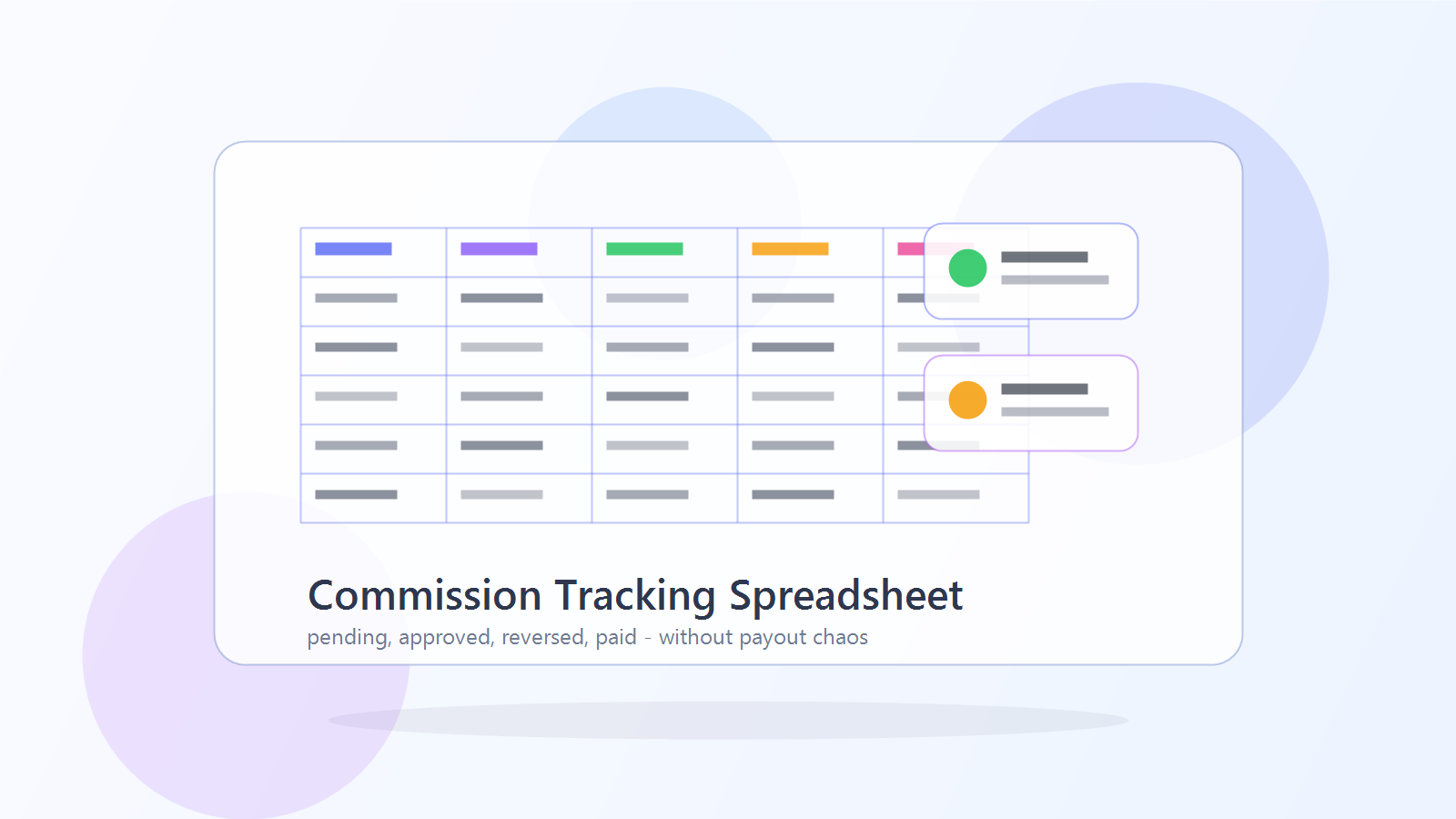
- Build a hypothetical referral ledger. Create a small spreadsheet with partners, clicks, leads or orders, refunds, approval states and commissions. Label every transaction as invented. Show how a duplicate or refund changes the payout.
- Review a sample placement. Pick a public article that contains an affiliate recommendation. Note the buyer question it answers, the disclosure and any product claims that need checking. Do not claim you managed or tested the publisher.
- Write a decision memo. Explain which partner you would recruit for a specific merchant and why another high-traffic prospect is a poor fit. State what information you would need before signing either one.
This portfolio shows the thinking behind the job without inventing a client story. Entry routes include affiliate operations, partner marketing, ecommerce marketing and publisher development. Job titles vary; read the actual responsibilities. A role that is mostly outbound sales or mostly ad buying may teach different skills from running a merchant’s affiliate program.
How to evaluate a job offer
Ask who owns the program rules, which system determines commission, how disputes are handled and what the manager can change. Ask how the team measures an active partner and whether it can connect referrals to accepted leads or orders. If the employer says the goal is simply to “sign up more affiliates,” expect friction later.
Salary tables copied from old articles are weak guidance. Pay varies by country, company, seniority, contract type and whether the role includes a bonus or agency book of clients. Compare current job postings in your market for the same responsibilities and ask which compensation components are guaranteed. An old US listing does not define today’s global salary.
Career paths can move toward senior partnership management, channel marketing, ecommerce growth or program operations. The next step depends on what you have actually owned: partner negotiation, tracking design, budget, people, or cross-market execution. A certification can help you learn a tool, but it is a poor substitute for being able to explain a disputed payout clearly.
Questions worth asking in an interview
- What makes a referred lead or order eligible for commission?
- What percentage of approved partners publishes a working placement, and how is that measured?
- How do marketing, sales and finance settle conflicting attribution records?
- Which promotional methods are prohibited, and who reviews exceptions?
- What would I be allowed to change in the first three months?
Listen for concrete answers and named owners. A company with vague definitions may still offer a worthwhile role if it wants you to fix them and gives you authority to do so. If it expects a manager to promise growth while denying access to order and payout records, the job is set up badly.
Frequently asked questions
What does an affiliate marketing manager do?
A merchant-side manager recruits and supports partners, sets or administers program terms, checks tracking and eligible conversions, resolves attribution and payout disputes, and reports program results. The exact scope varies by employer.
How do I become an affiliate marketing manager with no experience?
Learn a published program’s terms, build a clearly hypothetical referral and commission ledger, review real public placements and write a partner-selection memo. Apply for affiliate operations, partner marketing or related entry roles and explain your reasoning honestly.
Do I need a degree or certification for affiliate marketing management?
Employer requirements differ. A degree or tool certificate may help, but you should also be able to explain attribution, partner fit, commission rules, disclosures and reconciliation with concrete examples. Check each current job posting.
Is an affiliate marketing manager the same as an affiliate marketer?
Usually no. An affiliate marketer or publisher promotes another company’s product for commission. A merchant-side manager operates the program that recruits, tracks and pays those partners. Some jobs combine responsibilities, so read the description.
What metrics should an affiliate manager track?
Track accepted and active partners, tested placements, eligible leads or orders, approved commissions, reversals, disputes and total acquisition cost. Define each metric and connect it to a decision rather than reporting clicks alone.
How much does an affiliate marketing manager make?
Pay depends on market, seniority, employer and bonus structure. Compare current postings for jobs with the same responsibilities in your location, and separate base pay from variable compensation. Old generic salary tables are not a reliable offer benchmark.