Quick answer
Manage affiliate links with one inventory that records each destination, program, tracking ID, page, disclosure and review date. Use the program’s approved URL format, test that the click reaches the correct product, and check terms before shortening or redirecting links. Review your highest-traffic pages first when an offer, price or program changes. Track clicks and commissions separately; a click does not prove a sale.
Affiliate link management is a maintenance job. The difficult part is not pasting a tracking URL into a page. It is knowing where that URL appears after a merchant changes a product, a commission rule or an offer. A pretty short link is no substitute for that record.
Keep a link inventory you can actually use
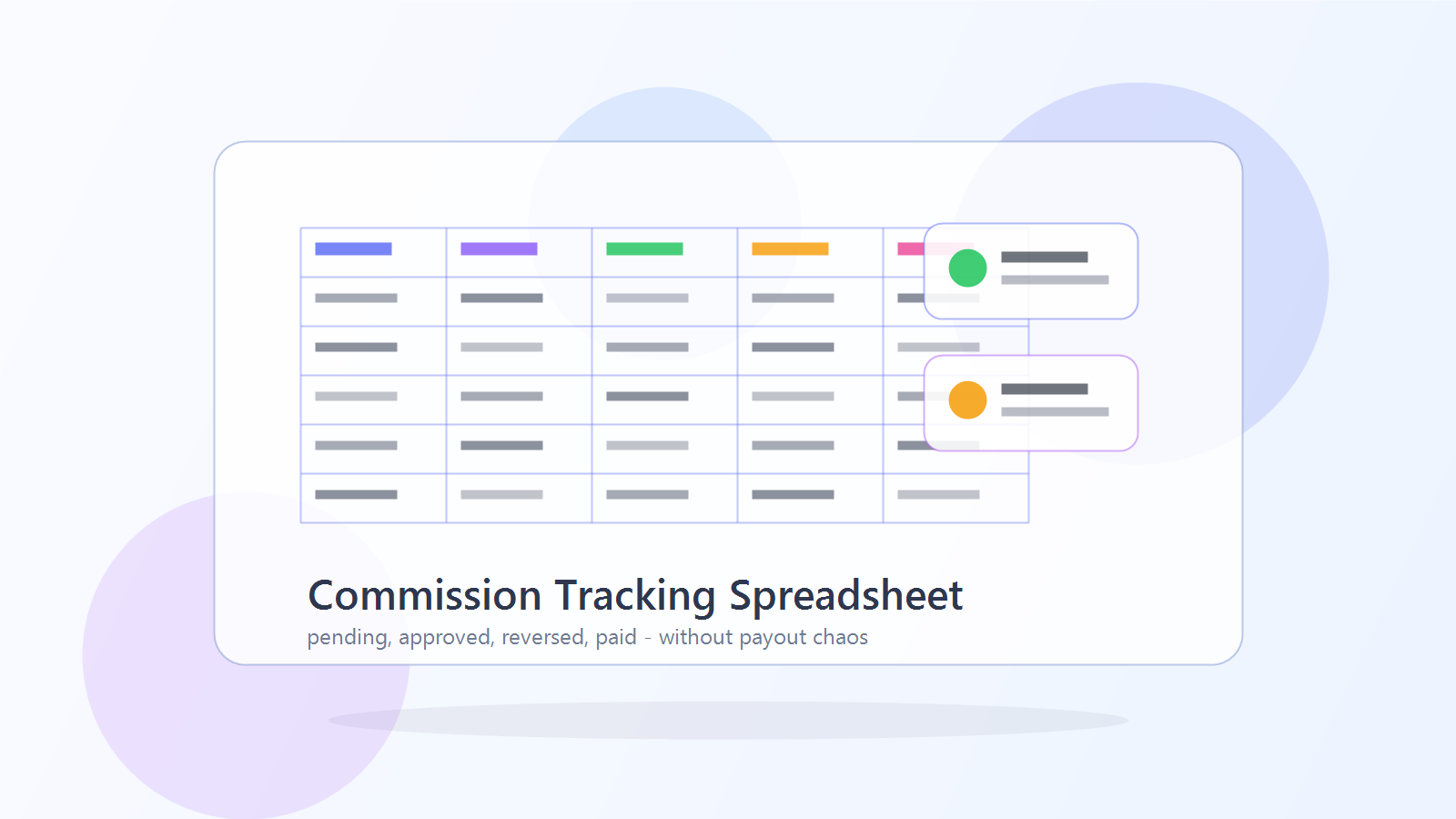
A spreadsheet is enough for a small site. Give each link one row, then record the merchant, program, destination URL, tracking ID or campaign parameter, page URL, link text, disclosure location, date checked and owner. Add the intended product or offer so you can tell a legitimate redirect from a wrong destination.
For a larger site, a link-management plugin can make replacement easier, but it should still let you export the records and identify every page using a destination. Before buying a plugin, test one real change: replace a discontinued product link and confirm that the correct pages update without altering unrelated offers. The job is finding and fixing links, not collecting click charts for their own sake.
Use the program’s approved link format
Generate the link through the merchant or network where possible. Preserve the tracking parameters and test the final landing page in a normal browser session. Some programs restrict redirects, shortening or use in particular channels. Amazon Associates, for example, requires its tagged Special Links; its current policies restrict link shortening that obscures the Amazon destination and redirects that hide the source site. Do not assume a generic “cloak every link” rule applies to every program.
If you use a branded redirect, document the target and redirect type, and test it after updates. A redirect may help replace a destination centrally, but it can also fail, strip parameters or conceal where a reader will land. Where a program forbids that setup, use the approved direct URL.
Place the link where it helps the reader decide
Link the exact product or service being discussed. “See current plans” is clearer beside a pricing explanation than a repeated “click here” in every paragraph. A comparison should give the reader enough information to choose before asking for a click: the relevant feature, a limitation and when the other option makes more sense.
Keep affiliate disclosures close enough to the recommendation that readers will see them. For U.S. audiences, the FTC says affiliate relationships should be disclosed clearly and conspicuously. A site-wide disclosure can provide context, but it may be missed by a reader who arrives directly at a review or product link. Check the program’s own wording requirements as well; Amazon Associates gives a specific identification requirement.
Check links on a schedule tied to risk
- At publication: open every affiliate link, verify the destination, price claims and disclosure, and confirm the tracking ID is present.
- When a merchant changes an offer: search the inventory for every affected page, including comparison tables and FAQ answers.
- On a routine review: prioritize pages with traffic or revenue, time-limited promotions and products known to be discontinued. A monthly sweep may suit a small site; fast-moving offers need more frequent checks.
- After a plugin or theme change: test representative links on desktop and mobile and check whether redirects or scripts still work.
A link checker can flag dead URLs, but a 200 response does not mean the merchant still sells the item, the tracking survived or the surrounding copy is accurate. Open a sample manually. If a product has vanished, replace the recommendation with a genuinely comparable option or explain that it is no longer available; do not silently point the old anchor text at an unrelated offer.
Measure clicks without mistaking them for earnings
Record outbound clicks by page and merchant, then compare them with the network’s attributed orders, reversals and paid commissions. These systems answer different questions. A click counter can show placement interest; the merchant decides which orders qualify under its attribution and program rules. Refunds and rejected transactions may change the final payout.
Use campaign IDs only when they help answer a concrete question, such as whether a comparison table or a standalone review sends more qualified visitors. Do not create dozens of nearly identical tracking links that nobody will maintain. When commissions drop, check link health, merchant terms and product availability before assuming the wording needs another SEO rewrite.
FAQ
What is the simplest way to manage affiliate links?
Keep one inventory with each destination, program, tracking ID, page URL and last-check date. Test links when publishing and review high-traffic or time-sensitive pages first. A spreadsheet is enough until central replacement becomes difficult.
Should I cloak or shorten every affiliate link?
No. Check the individual program’s terms. Some redirects help with central updates, but they can break tracking or violate a merchant’s rules. Amazon Associates, for example, limits shortening or redirects that obscure the destination or source site.
How often should affiliate links be checked?
Test them at publication and whenever an offer or program changes. Set a routine review for active pages, prioritizing traffic, revenue, expiring promotions and products likely to be discontinued. A successful HTTP response alone does not confirm that the offer is still accurate.
What information belongs in an affiliate link spreadsheet?
Record the merchant, program, destination, tracking ID, page URL, anchor text, disclosure location, product or offer, owner and last-check date. These fields make it possible to find every affected page when a merchant changes an offer.
Do I need to disclose affiliate links?
For U.S. audiences, the FTC advises clear and conspicuous disclosure of an affiliate relationship so readers can judge the endorsement. Program terms may add specific language. Put the disclosure where a reader encounters the recommendation, not only on a remote policy page.
Why do link clicks and affiliate commissions differ?
A click is an outbound visit, while a commission depends on the merchant’s attribution rules, qualifying action and later adjustments such as refunds. Compare click reports with attributed orders and paid commissions, and check program terms before diagnosing a gap.