Quick answer
Choose link tracking software by the event you must verify. Pretty Links manages redirects on a WordPress site; Rebrandly manages branded short links; Voluum and ClickMagick fit paid-campaign tracking; AnyTrack connects on-site outbound clicks to compatible conversion sources; Improvely focuses on campaign-to-conversion reporting. A click count alone cannot tell you which affiliate commissions were approved. The six assessments below explain each tool’s fit, setup burden and most important limitation.
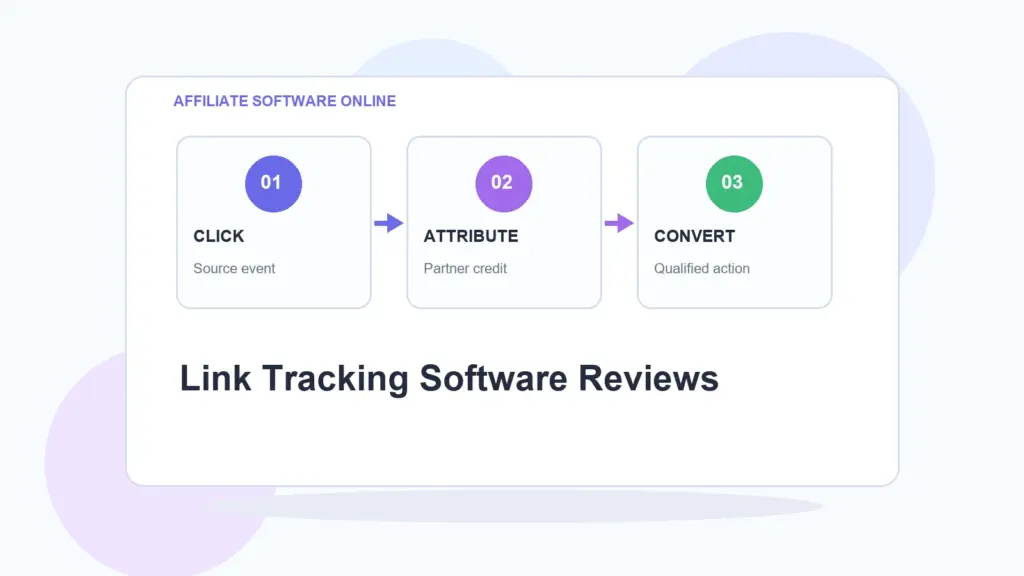
“Link tracking” covers at least three different jobs: managing a redirect, measuring the click, and attributing a later sale. Many product pages blend them. Before buying, write down the event you can observe, who controls the checkout, and whether the merchant or network sends a conversion back. That determines which claims a tracker can actually support.
These assessments compare current vendor documentation and the data each setup requires. They do not represent hands-on performance testing or a universal product ranking. I would distrust a review that assigns a single winner to a WordPress publisher, a paid-media buyer and a company running its own checkout.
Six link tracking software assessments
Pretty Links: the WordPress publisher’s link inventory
Pretty Links is useful when a publisher wants a short URL on their own WordPress domain and a central place to update destinations. Its documentation distinguishes simple count tracking from more detailed modes that record referrer and visitor data. The trade-off is local data storage: a busy site should choose the reporting detail it needs and consider database growth and privacy obligations.
I would use Pretty Links for managing many editorial links, not for declaring campaign profit from click totals. An outbound redirect shows that a visitor left the site; it does not show that the merchant accepted a sale. The plugin’s own conversion reporting documentation requires a separate tracking setup for the later event. Test the final destination and any merchant policy on redirects before changing an affiliate URL.
Rebrandly: branded links across channels
Rebrandly fits a team distributing short links across social, email, QR codes or offline material and wanting a recognizable domain. Its analytics cover link clicks and related dimensions, with reporting depth dependent on the plan. A shared link inventory and domain control are more relevant here than affiliate-specific attribution.
Its key limit is explicit in Rebrandly’s help documentation: link click data stops at the click; it does not provide on-site behavior or revenue by itself. If the buyer question is “which publisher earned an approved commission?”, a branded short-link report cannot answer it without a compatible downstream data source.
Voluum: paid traffic with a defined conversion path
Voluum is a performance-ad tracker built around traffic sources, campaign links or direct tracking, landing pages, offers and conversion events. That model suits a media buyer comparing paid sources and routing traffic to offers. It also requires care: the ad platform’s cost data, Voluum’s click ID and the affiliate network’s conversion notification must line up. The dashboard is only as useful as that chain.
I would not choose Voluum to shorten a few blog links. Its campaign structure creates setup and reconciliation work that is justified only when source-level reporting and routing decisions can change enough spend to matter. Ask for a demonstration using your actual traffic source and network, including a refunded conversion.
ClickMagick: funnel and campaign tracking
ClickMagick’s knowledge base covers its TrueTracking campaigns, Smart Links, postback URLs and ad-platform integrations. It is most plausible for an advertiser or affiliate who controls a landing page and can get conversion signals from a checkout or network. The distinction between a tracked visit and a confirmed sale remains. Its own documentation includes an explanation of why its numbers may differ from other apps; that is a reason to reconcile, not to assume one dashboard is infallible.
For a buyer, the useful test is a complete funnel: ad click, landing-page visit, outbound click, approved conversion, refund and cost import. Check where each event originates and how duplicates are handled. I would not buy a plan because a sales page promises “anti-fraud” without seeing what the filters exclude and how false positives are reviewed.
AnyTrack: outbound links tied to conversion sources
AnyTrack documents a tracking tag that collects on-site events and a redirectless method that appends click identifiers to supported outbound links. It can connect those identifiers to conversion sources when the network or merchant supplies compatible data. That is attractive for a publisher using several affiliate networks or ad platforms, but compatibility is a test case, not a blanket promise of complete attribution.
Check your exact network, link format, consent setup and pages where the tag loads. A script cannot observe a merchant’s checkout merely because it recorded the outbound click. Compare reported conversions with the network’s approved, reversed and paid amounts. The vendor now documents a free plan; the old article’s fixed paid-plan table was too time-sensitive to keep without continuous maintenance.
Improvely: campaign reporting and suspicious-click review
Improvely positions itself around campaign-to-conversion reporting, visitor journeys and click-fraud alerts. Its site says the fraud feature surfaces suspicious activity for review and gives instructions for taking action in the ad platform. That is a narrower and more credible claim than saying it automatically protects every campaign.
It may fit a site owner or agency comparing marketing sources under one reporting view. Test whether it receives the conversion event that matters to you and whether its cost imports match ad invoices. If a network only supplies aggregate commission data, visitor-level revenue attribution may remain unavailable. The vendor advertises a 14-day trial; a trial is not a free ongoing plan.
What to test before choosing
| Question | Why it changes the choice |
|---|---|
| Do you own the landing page and checkout? | If not, you may need network postbacks or approved-commission exports. A site script cannot see a checkout it does not control. |
| Do you need a branded redirect or just a click event? | Pretty Links and Rebrandly organize URLs. AnyTrack’s documented outbound method can work without adding a redirect. Merchant and ad-platform policies still govern the route. |
| Can each conversion carry a click identifier? | Without a matching identifier, a later sale may be reportable only in aggregate. Ask for a sample payload, not a slide promising “accurate attribution.” |
| What happens to refunds, duplicate events and bot clicks? | A useful report distinguishes raw clicks from accepted sales and costs. Reconcile a small test set against the source of truth before relying on automated rules. |
For a publisher with a small link inventory, start with the simplest setup that preserves working merchant links. For a media buyer spending enough to optimize traffic source by source, a campaign tracker can earn its complexity. The most expensive mistake is buying a more elaborate click dashboard when the missing information is the merchant’s conversion or payout record.
What is link tracking software?
It records or manages visits through links. Some tools create branded redirects; others collect click events, campaign costs and conversion signals. A click report does not automatically include approved sales or revenue.
Which link tracking tool is best for WordPress affiliate links?
Pretty Links is a practical choice for managing redirect URLs and click counts on a WordPress site. Check merchant rules and final destinations, and use network reports to verify approved commissions.
Can a link shortener track affiliate sales?
It can count redirects or clicks, but sales require a separate signal from a checkout, affiliate network or merchant. Rebrandly’s own help says its link data stops at the click without downstream information.
What is the difference between Voluum and AnyTrack?
Voluum documents a performance-campaign model with traffic sources, landing pages, offers and conversions. AnyTrack documents on-site tagging and redirectless outbound-link tracking with compatible conversion-source connections. Test your exact traffic and network setup.
Does click-fraud monitoring guarantee clean traffic?
No. A flag or filter can help investigate suspicious activity, but it can also miss abuse or exclude legitimate visits. Review the underlying events and compare ad-platform and conversion records before making a decision.
How should I compare link tracking software prices?
Compare total cost at your expected event volume, required reporting depth, users and domains. Then test whether the tool receives the conversion and approved-commission data you need; a cheaper plan with only clicks may be unsuitable.